Invasive species costs for New South Wales are high, and growing
Invasive species have cost the New South Wales economy at least AU$30 billion over the last five decades while the true cost may be far higher, according to a new study from researchers at the Centre of Excellence for Biosecurity Risk Analysis (CEBRA).
The researchers estimate that the average cost to the State currently sits around $1 – 2 billion each year.
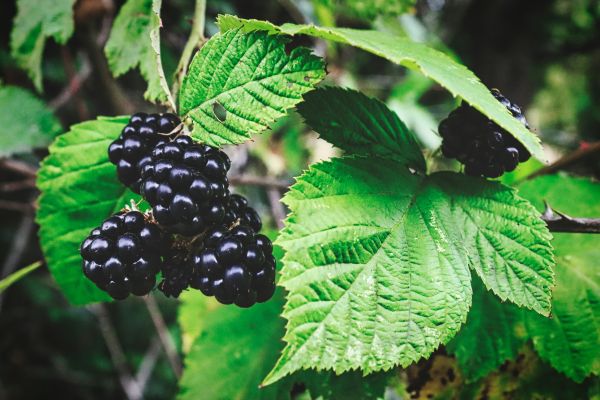
The study, published in the journal NeoBiota, also shows that invasive weeds were the major contributor to the total cost, such as serrated tussock, and blackberry. This was based on a review of 374 cost estimates from 50 studies.
The costs associated with controlling invasive species and production losses for agriculture were major drivers of economic costs.
However, the authors point out that "non-market" values, such as the loss of ecosystem services, including losses in biodiversity, and damages to the environment and landscapes, as well as impacts on human health, remain underreported.
Lead author of the study, Dr Nicholas Moran, said: “Many non-native species have not had their economic impacts formally studied or consistently reported over time, and environmental losses are difficult to price, so the true cost to New South Wales may be even higher.”
The authors also highlight how open science resources, where data, tools, and research outputs are openly shared and reusable, can help improve our knowledge of invasive species impacts.
“Public databases like InvaCost and the Atlas of Living Australia, and open research platforms like Biosecurity Commons, were essential to this work,” added Dr Moran.
-Ends-
- Research paper: "An invasive species cost review for New South Wales, Australia, highlights key drivers and limitations of economic cost estimates”. Nicholas P. Moran, Lu-Yi Wang, Anca M. Hanea, Tom Kompas. NeoBiota (https://doi.org/10.3897/neobiota.104.157434)